

IBON Foundation

National Family Living Wage as of April 2026
Mayo 8, 2026
The national average minimum wage is Php510/day or Php11,089/month as of April 2026. This is barely half of the IBON-estimated national family living wage of Php1,312/ day that a family of five should receive to live decently.

How can Marcos lead ASEAN prosperity while PH lags behind? – IBON
Mayo 8, 2026
Slowing growth, soaring prices, and worsening joblessness expose the Marcos administration’s failed economic management and diminish its credibility to lead ASEAN especially at this time of crisis
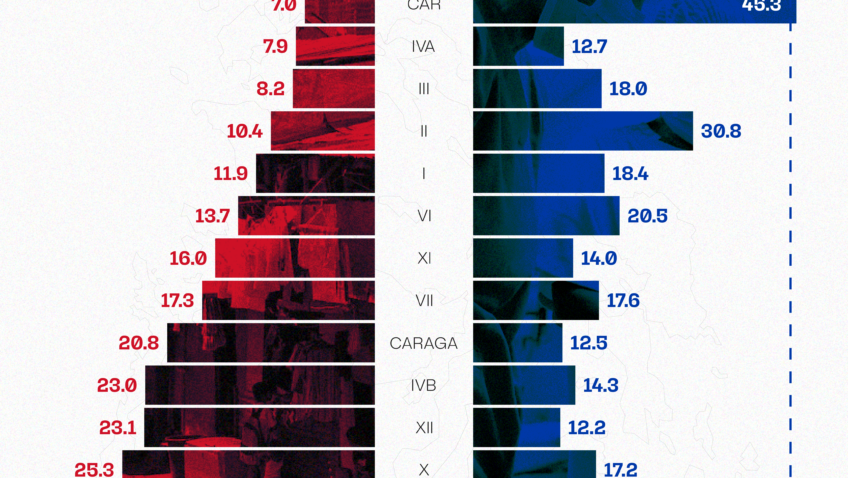
Poorest regions, least health workers
Mayo 7, 2026

BBM completes stagflationary hat trick: Soaring prices, worsening jobs, slowing growth
Mayo 7, 2026
ANALYSIS
The government cannot claim that it is addressing problems “directly and decisively” when families are forced to pay more for essentials as their livelihoods become even more insecure.

Headline figures mask crisis of informal, volatile labor—IBON
Mayo 6, 2026
The data underscore an economy without stable foundations. Agriculture and manufacturing are critical for broad-based and sustainable growth but continue to fluctuate and deteriorate, while services mainly absorb displaced workers in insecure and low-quality employment.

Inflation burden heavier on millions amid lack of gov’t action
Mayo 5, 2026
The burden of adjusting to the oil price shocks has been shifted onto over 21 million poor and vulnerable Filipino families. The government’s refusal to cut oil taxes and regulate prices reflects a policy failure that leaves the majority to fend for themselves amid a deepening crisis.

PH minimum wages are poverty wages
Abril 30, 2026
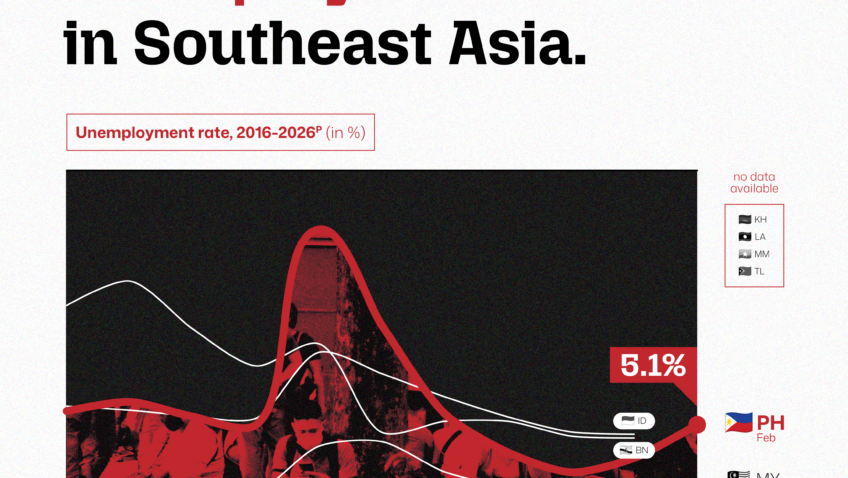
Unemployment rate in Southeast Asia
Abril 30, 2026
The jobs crisis is real. With weak growth and job-generating economic engines, PH has the highest unemployment in Southeast Asia, followed by Myanmar, Vietnam, Singapore, and Thailand, per available data.
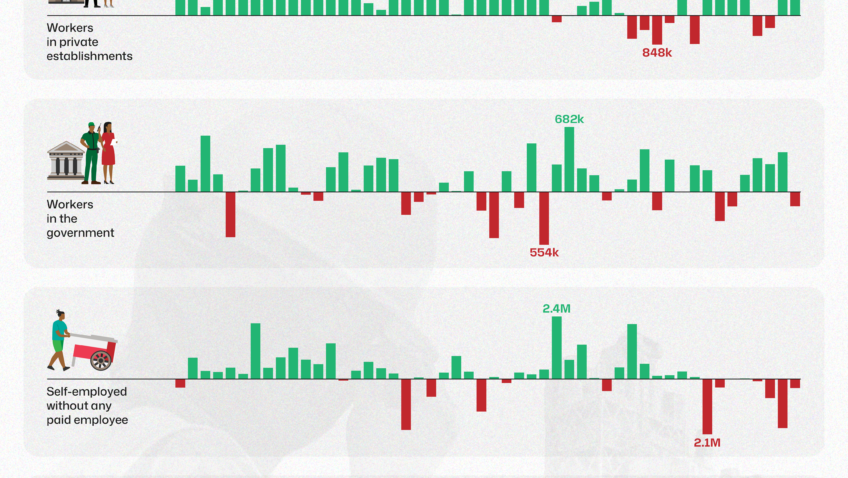
Jobs volatility under the Marcos administration
Abril 30, 2026
The uncertainty of employment is evident in the increasing volatility of the labor market, which cannot be explained by seasonality alone or by pandemic lockdowns. At the root of the jobs crisis is a sluggish and non-inclusive economy, weakened by the lack of strong domestic production sectors as engines for sustained economic growth.