



The Philippine Energy Sector
The Philippine energy sector is about how electricity is produced, delivered, and paid for—and ultimately affects the everyday lives of all Filipinos. How does the country’s energy system work? Who owns and controls it, why does electricity remain expensive despite abundant resources, and how do current policies influence the transition from fossil fuels to renewable energy? Begin to understand the opportunities and challenges of energy reform.
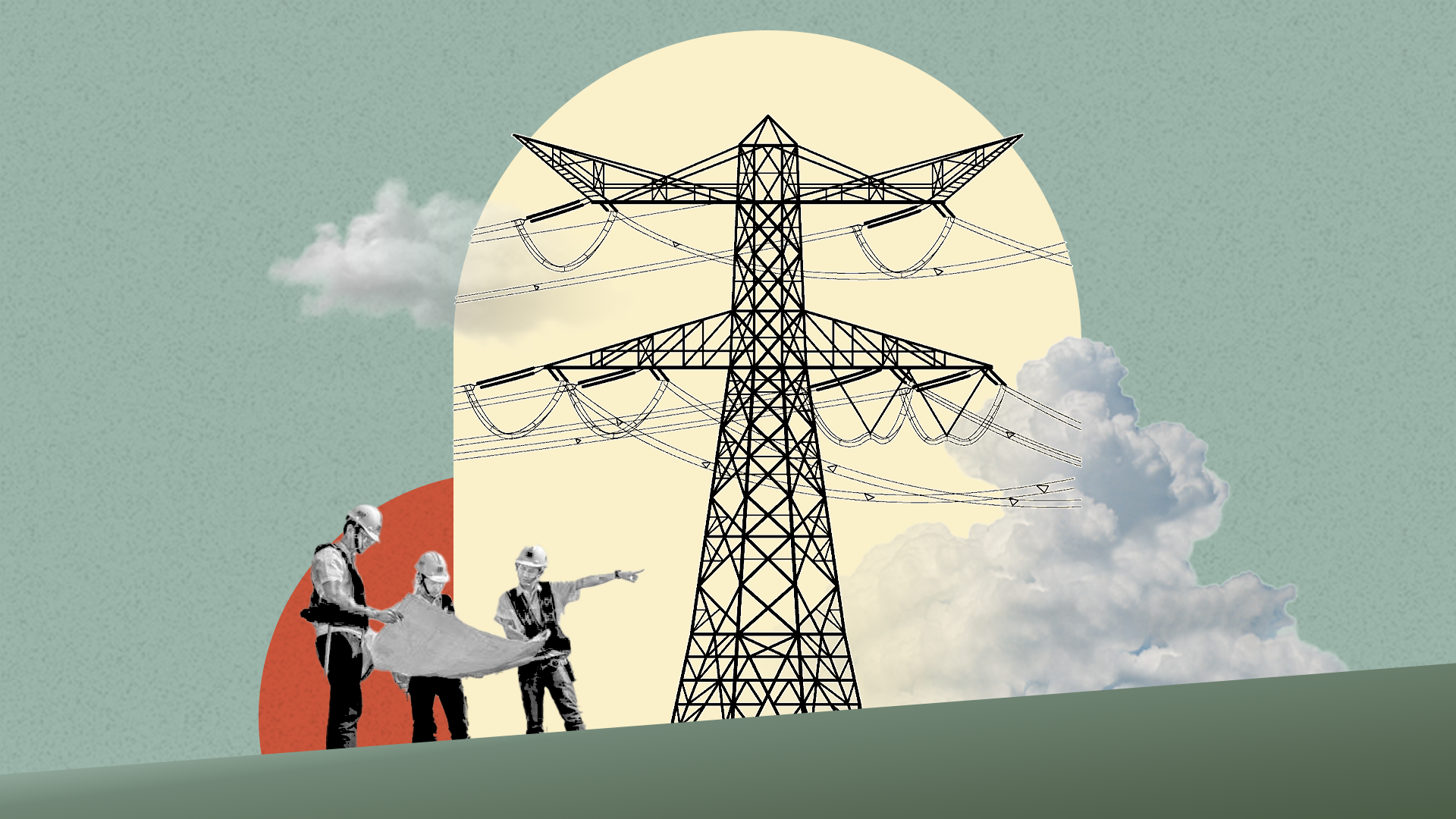
The vitality of a strong energy sector
Energy keeps the country running. It powers our homes, schools, hospitals, farms, factories, transport systems, and businesses. Without enough reliable and affordable energy, people find it harder to work, study, travel, and meet their daily needs.
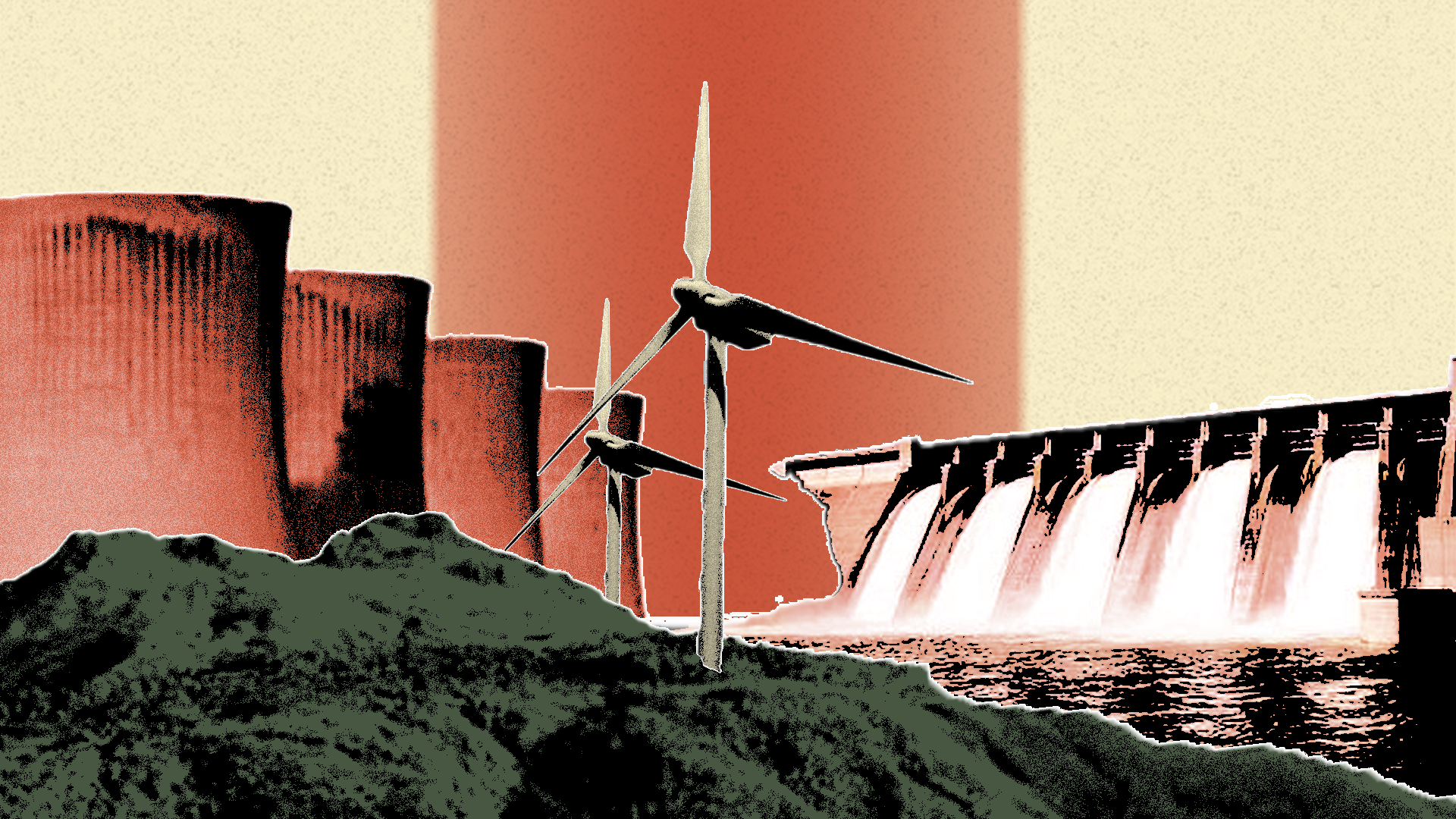
The country’s energy mix, operation and ownership
The Philippines gets its energy from both fossil fuels and renewable sources. Coal still produces most of the country’s electricity, while renewable energy such as geothermal, hydropower, solar, wind, and biomass is growing.
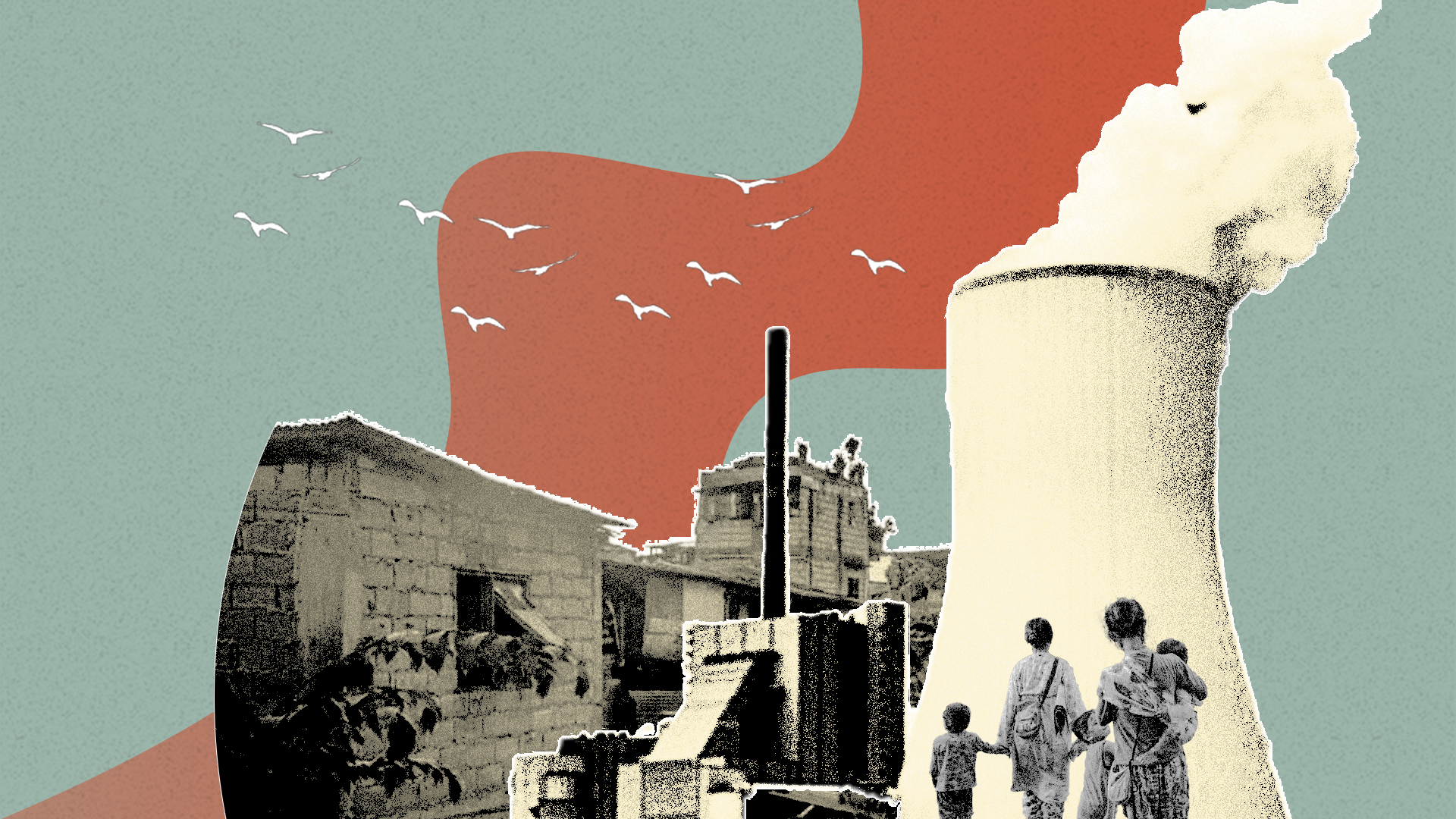
People’s and the economy’s use of energy
Affordable and reliable electricity is important for both families and businesses. Households need electricity for lighting, cooking, studying, communication, and many everyday activities. Businesses need it to produce goods, provide services, and create jobs.
Challenges: whom do policy and infrastructure benefit?
The Philippines has enough renewable energy resources to produce much more clean electricity. But having abundant natural resources does not automatically mean that everyone benefits from them. Much depends on government policies and who is allowed to invest in and control energy projects.