



Toward a people-centered renewable energy transition
Beyond replacing fossil fuels, a renewable energy transition should make energy democratic, affordable, and equitable. How can current policies can be strengthened to expand public participation, support community-owned and distributed renewable energy, and ensure that workers, consumers, farmers, fisherfolk, Indigenous Peoples, and local communities share in the benefits of the transition? Find practical pathways toward an energy system that puts people before profits.
Existing support for renewable energy
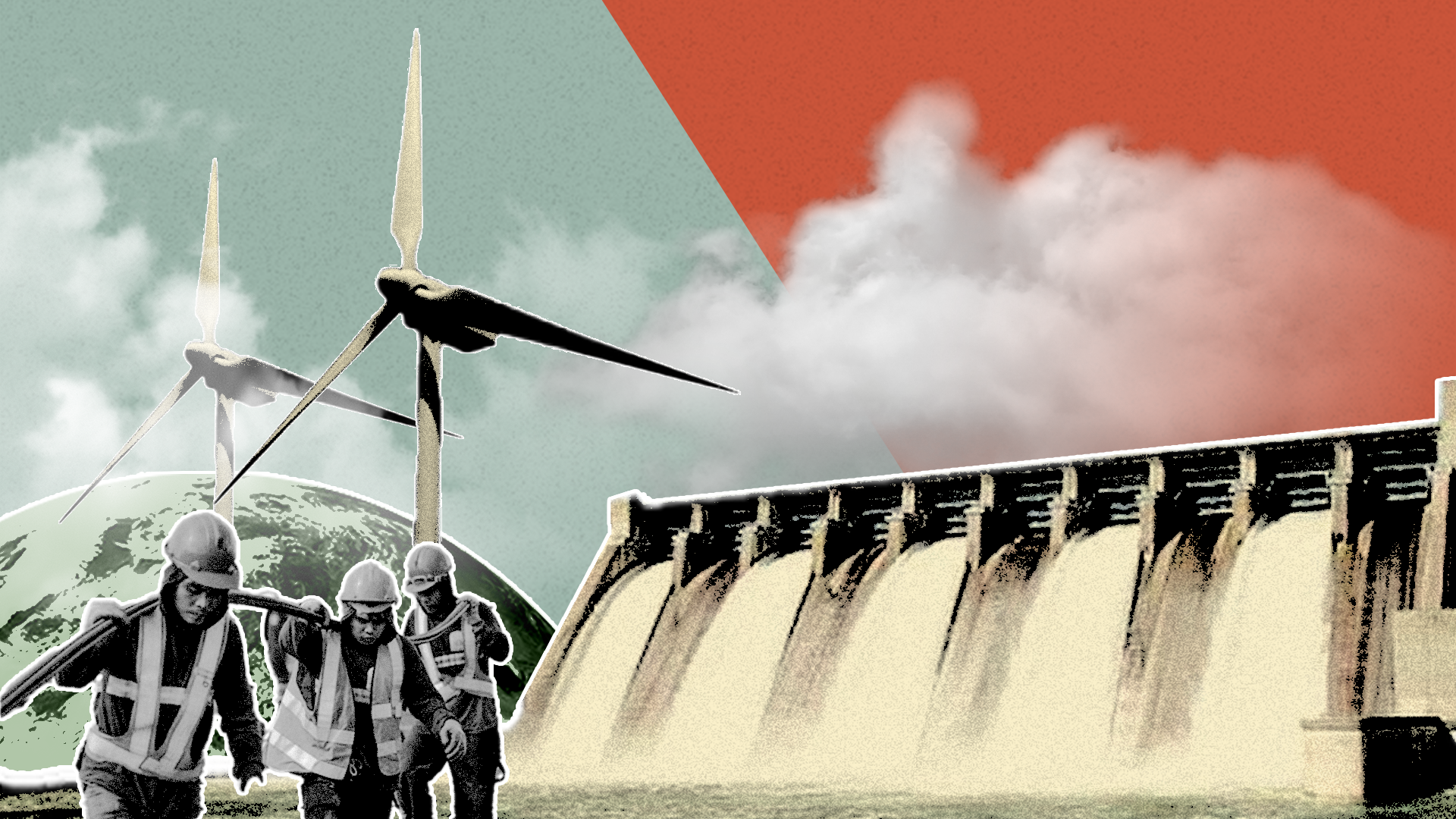
Under the NREP, the Philippine government already provides many forms of support for renewable energy development. These include tax incentives, duty-free importation of equipment, income tax holidays, green energy auctions, feed-in tariffs, net metering, and financing programs to encourage investments in renewable energy. These policies ushered the influx of renewable energy projects across the country.
Challenges to people’s access and participation
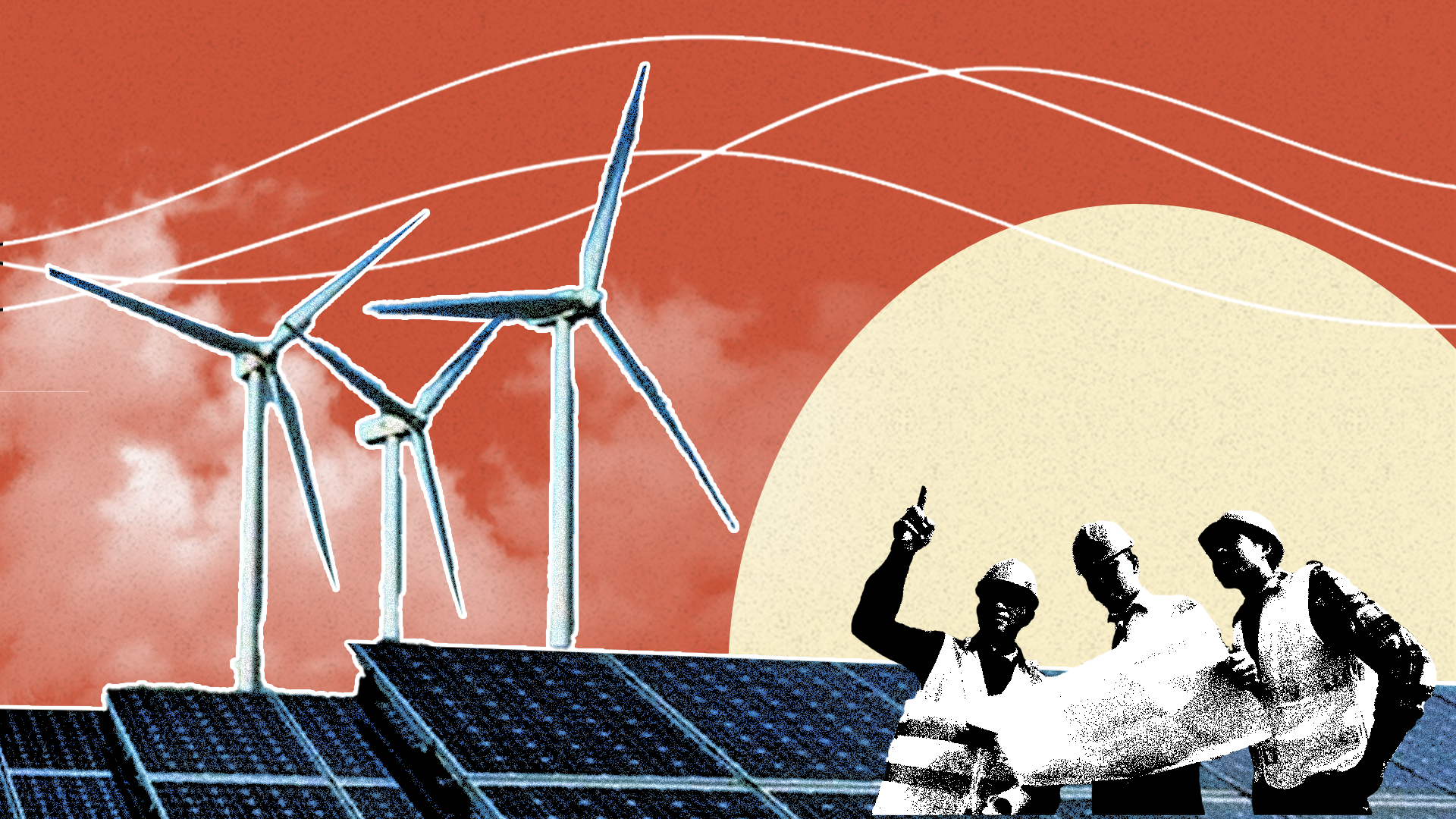
Many Filipinos still find it difficult to benefit directly from renewable energy. The cost of installing solar panels or other renewable energy systems is beyond the reach of most households—ranging from Php150,000-Php300,000—or several years worth of electricity bills for an ordinary family. Small communities meanwhile often lack access to financing, technical assistance, and government support—requirements are stringent. At the same time, many renewable energy projects are planned and implemented by large corporations with limited participation from affected communities.
Community-based renewable energy initiatives
Renewable energy does not have to depend only on large power plants. Small-scale and community-based systems such as rooftop solar, solar-powered irrigation, microgrids, renewable energy cooperatives, and community solar projects can help bring electricity closer to the people who need it most. These systems can improve energy access while creating local jobs and strengthening community participation.
Opportunities for public participation and policy reform
Current trends need to be reversed so that the shift to renewable energy would primarily benefit workers, farmers and fisherfolk, Indigenous Peoples, consumers, civil society, and local governments, and not investors and government agencies.