Remembering EDSA People Power is like a Rorschach test—saying less about those giddy days in late February 1986, and more about our present state of mind. So, what to make of that historic inkblot?
EDSA was a triumph of democracy and civic courage whose groundswell started long before 1986. The heaviest burden of fighting the dictatorship was borne by Leftist student activists, trade unions, peasant groups, urban poor struggles, and every other identity imaginable—and, yes, included underground organizers and armed revolutionaries. The EDSA moment wouldn’t have come without the movement before it, and then the millions who poured into the streets on those glorious fateful days.
The moment is meaningful for what it retook, but also for what it left intact. The Marcos regime was overthrown by armed conflict and a civil uprising, but the social order that sustained it was not. The public restored formal political freedoms, but left the concentration of wealth and power undisturbed. The people asserted their sovereignty, but the grip of the United States (US) then approaching its unipolar period remained. These contradictions still define the situation today.
EDSA restored Constitutional rule with the 1986 Freedom Constitution and ushered in the Fifth Republic with the 1987 Charter, but did not democratize the economy. It resumed “free” elections, but left these captive to elite bargaining, dynastic control, and patronage. It revived a “free” press, but one dominated by corporations and elites. Sovereignty was affirmed in principle, but was deeply constrained in practice.
Successive governments deepened these constraints in the decades that followed. Economic policy embraced the flawed development logic of neoliberal globalization. Agriculture and manufacturing fell to historic low shares of the economy, while foreign investors were increasingly privileged and entrenched. The result was growth without industrialization, with labor migration substituting for structural transformation. Economic sovereignty diminished even as political sovereignty was ceremonially affirmed.
EDSA and the elections since then have changed rulers, but kept systems of domination. Foreign capital, domestic oligarchs and landlords have persisted in power since 1986—not as residual forces, but the necessary outcome of mere political restoration rather than democratic transformation. These material foundations of power invisibly constrain formal democracy and divert the electorate to shallow personalistic politics.
After the long dictatorship, the elections were markers of freedom. The arrival of the internet and social media even seemed to expand democratic participation. Elections felt more open with more visible public voices and more immediate discourse. Yet they also lowered the cost of manipulation and amplified disinformation, empowering populists and demagogues skilled at converting grievance into spectacle. Democracy became more precarious, even sinister.
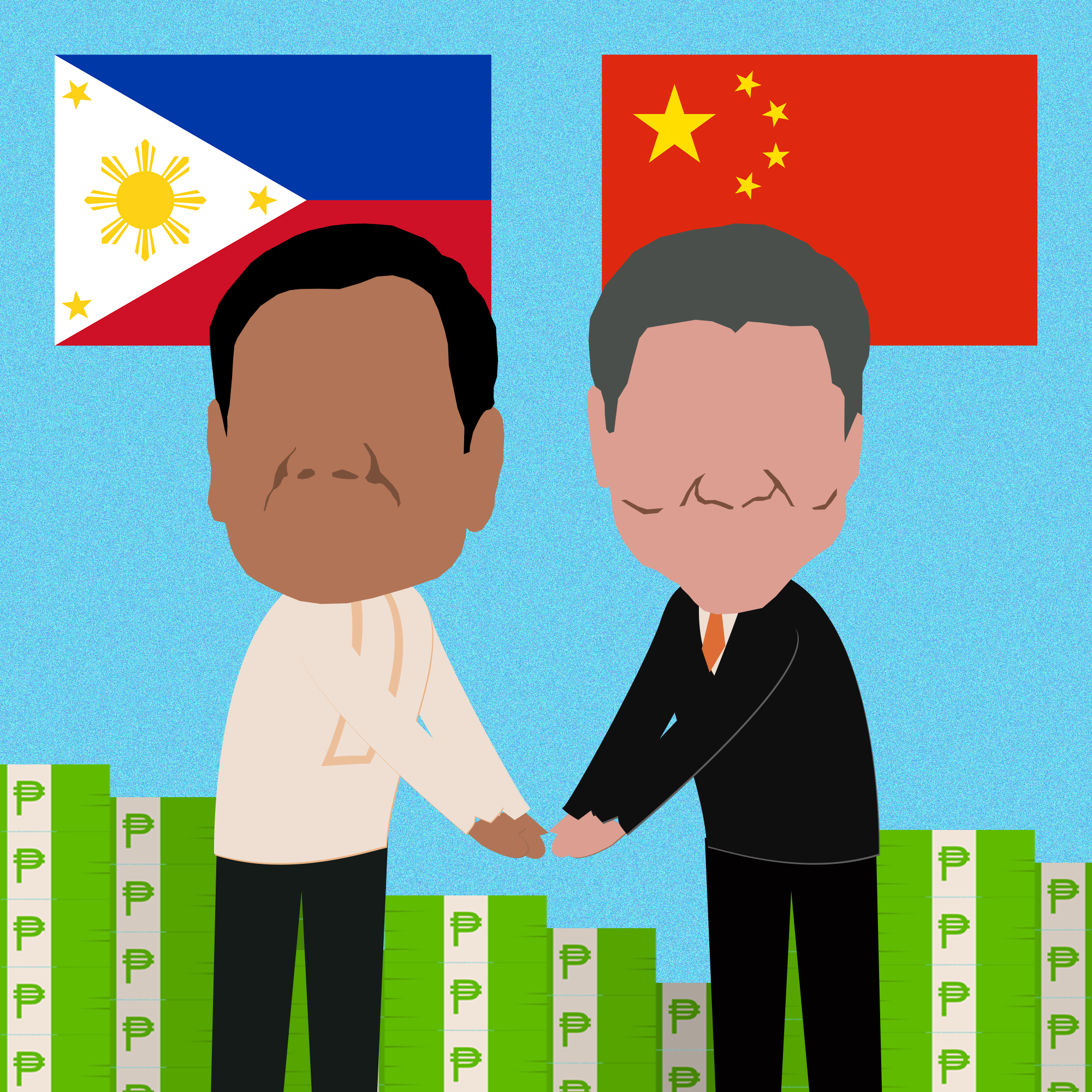
Even the language of sovereignty has been reimagined. Dependence on global trade and investment is reframed as competitiveness. Foregoing ambitions for economic self-reliance is recast as a pragmatic choice. Uncritically taking the side of the US in its rivalry against another great power, China, is narrated as the Philippines standing up for itself.
This is the unfinished terrain against which to remember EDSA. The liberal illusion then was to declare the struggle complete. Social and mass movements, on the other hand, saw the rupture as a waypoint. These movements continued to press for agrarian reform, national industrialization, people’s rights and welfare, environmental sustainability, and genuine popular sovereignty. In doing so, they again faced the brunt of repression under every succeeding administration.
Yet the dogged insistence on linking political democracy with social and economic justice is indispensable. They are the currents giving material meaning to the language of reforms, development and democracy.
Four decades on, the record is ambivalent. Popular struggles persist and are able to seize wins with pockets of progress. But poverty and hunger remain chronic, with stubborn inequalities and corruption amid resurgent authoritarian tendencies. Institutions are hyped, but subtly bent to powerful interests.
Forty years is a long time—long enough to reshape memory, and for official narratives to bend history. Yet there is no doubting the enduring relevance of EDSA. It was partial, constrained, and contested, but was still a peak in the country’s democratic life when millions of Filipinos stood unafraid to assert their collective power.
Having to fight another Marcos in Malacañang today reminds us not just of dynastic rot and the extreme corruption in government, but how revolutionary change has to be. Remembering EDSA is not nostalgia—it’s reminding us what Filipinos can do, together, against those who so stubbornly and selfishly cling to power.